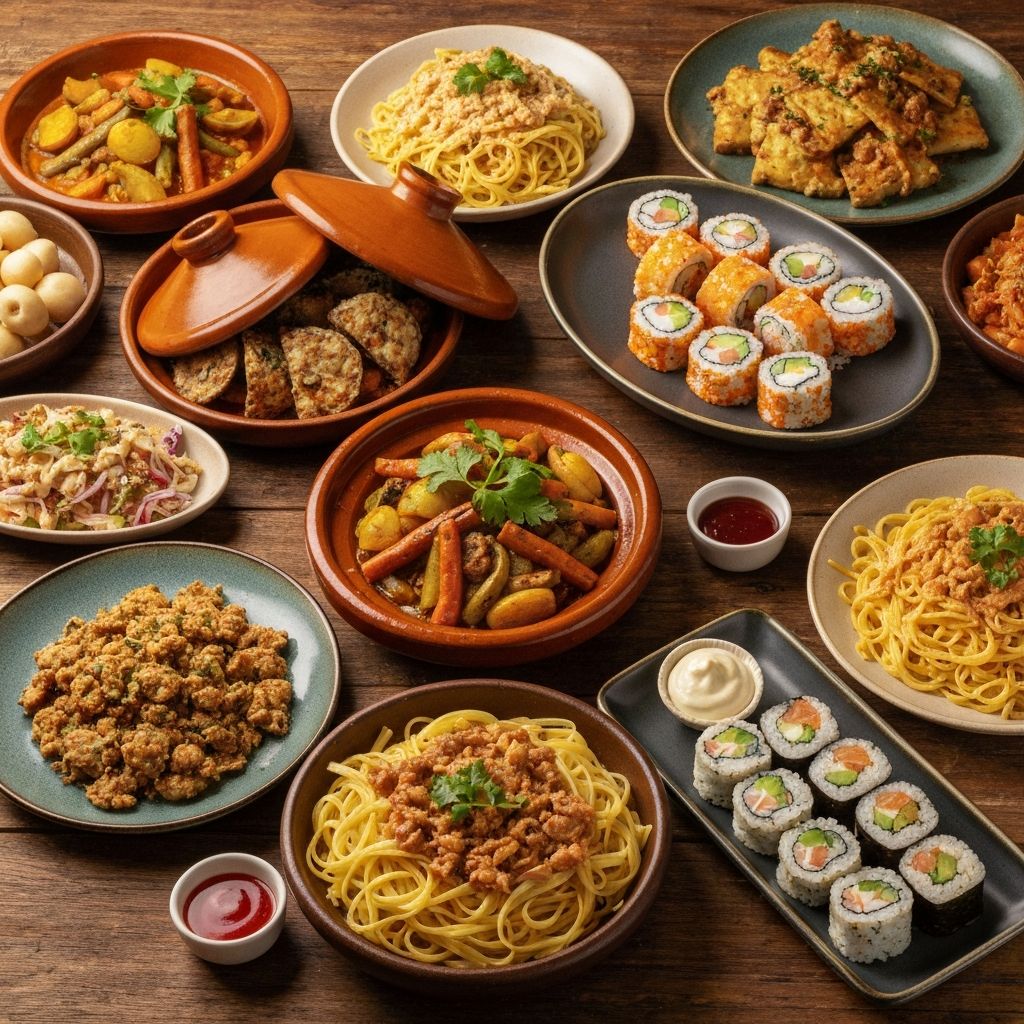
An educational resource exploring neutral discussions about weight and daily eating habits. We examine social, cultural, and lifestyle factors that shape how people approach food in their everyday lives.
Educational content only. No medical services. No promises of outcomes.
Read the overview


Everyday eating patterns are shaped by countless factors, from morning schedules to evening commitments. Understanding these patterns helps contextualise how different people approach meals throughout their day.
Research in behavioural science observes that daily routines create frameworks within which food choices occur. These frameworks vary significantly based on work schedules, family dynamics, and personal preferences.
Rather than prescribing specific approaches, educational exploration of these patterns allows for a broader understanding of the diverse ways people structure their eating throughout daily life.
Explore daily context
The timing of meals varies considerably across different cultures, occupations, and individual circumstances. Traditional meal structures coexist with more flexible approaches in contemporary life.
Some research examines how circadian rhythms intersect with eating patterns, whilst sociological perspectives consider how work schedules and social norms influence when people choose to eat.
Understanding the diversity of meal timing practices across populations helps illustrate the range of normal variations in everyday eating behaviour.
Between main meals, many people incorporate various forms of snacking into their daily routines. These practices reflect personal preferences, cultural norms, and situational factors.
The concept of what constitutes a snack varies widely, from small bites between meals to more substantial eating occasions. Cultural and generational differences contribute to diverse approaches.
Rather than categorising snacking as inherently positive or negative, examining these patterns provides insight into the varied ways people structure their food intake throughout the day.
Food practices are deeply embedded in cultural traditions, religious observances, and regional customs. These traditions shape not only what people eat but how they approach the act of eating itself.
From ceremonial meals to everyday cooking traditions, cultural influences provide a rich context for understanding the diversity of food-related behaviours across different communities.
Exploring these practices without judgement allows for appreciation of the meaningful role food plays in cultural identity and community belonging.
Understand general patterns
The physical environments where people spend their time can influence eating patterns in various ways. Workplaces, homes, and public spaces each present different contexts for food-related activities.
Research in environmental psychology examines how spatial design, food availability, and social norms within specific settings interact with individual eating behaviours.
Understanding these environmental factors provides context for the diverse ways eating patterns manifest across different settings and circumstances.
Many people notice differences in their eating patterns between working days and leisure time. Weekends and holidays often bring different rhythms, social contexts, and food choices.
These variations reflect the interplay between structured schedules and more relaxed periods. Research documents how changes in daily routine correlate with shifts in eating behaviour.
Observing these patterns provides insight into the flexible nature of eating habits and how they adapt to changing circumstances and social contexts.
This educational resource provides general information about everyday eating patterns and related social and cultural factors. Please consider the following context when engaging with this content:
Common questions about the topics covered on this educational resource
FoodSphere is an educational resource that explores neutral discussions about weight and everyday nutrition. We examine social, cultural, and lifestyle factors that influence how people approach food in their daily lives, without providing personal advice or recommendations.
No. This website does not provide dietary advice, meal plans, or personalised recommendations. Our content is purely educational and informational, designed to explain various factors that influence eating patterns across different populations and contexts.
Our content is developed with reference to academic research in areas such as sociology, anthropology, behavioural science, and cultural studies. We aim to present balanced, informational content that explores various perspectives without advocating for specific approaches.
The information on this website is intended for educational purposes and general understanding. For any individual decisions about eating habits or lifestyle, we recommend seeking appropriate professional guidance suited to your personal circumstances.
No. FoodSphere is an independent educational resource. We do not sell products, services, or programmes related to eating, nutrition, or lifestyle. Our sole purpose is to provide informational content about food-related topics.
We periodically review and update our content to ensure it remains accurate and relevant. The educational nature of our content means that fundamental information about social and cultural food practices remains relatively stable over time.
Questions about our educational content? We welcome your enquiries.
Discover more about the social and cultural contexts that shape everyday eating patterns across different communities and lifestyles.
Read the overview
Social Influences on Eating
Examining how social environments and relationships shape food-related behaviours
Communal Eating Contexts
Social gatherings often centre around food, creating shared experiences that influence individual eating patterns and food preferences within groups.
Family and Household Dynamics
Household structures and family traditions play significant roles in establishing eating routines and food-related customs that persist over time.
Understanding Social Context
The social dimension of eating extends beyond mere nutrition. Meals serve as occasions for connection, celebration, and cultural expression. Observing these patterns reveals how deeply intertwined food and social life can be.
Academic studies in sociology and anthropology document the various ways communities and families organise their eating practices, providing insight into the broader cultural context of everyday nutrition.